
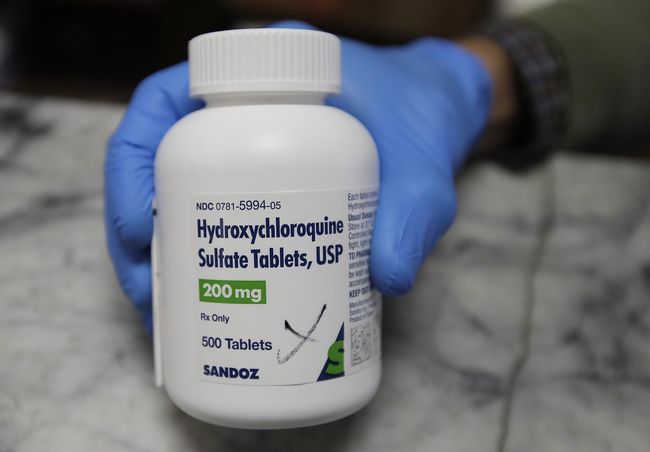
Hydroxychloroquine is a drug used to prevent and treat malaria. Malaria is a disease that is spread through the bite of a mosquito that carries parasites, such as Plasmodium malariae, Plasmodium ovale, Plasmodium vivax, or Plasmodium falciparum. However, this drug cannot be used for certain types of malaria, which have become resistant to chloroquine.In addition, hydroxychloroquine is also used to treat diseases that attack the immune system or autoimmune, such as lupus or rheumatoid arthritis. The use of hydroxychloroquine to treat these two conditions is an alternative step, if the main treatment that has been done before has not been successful.As an antimalarial drug, hydroxychloroquine works by killing the parasites that cause malaria. Meanwhile, to treat arthritis or lupus, the way this drug works is by affecting the sufferer's immune system.
Warning:
Please be careful when using this drug if you are suffering from visual problems, heart disease, heart rhythm disorders, kidney function problems, liver disease, diabetes, gastric disorders, porphyria, psoriasis, or glucose-6-phospate dehydrogenase deficiency.
We recommend that you consult your doctor again if you have used hydroxychloroquine for more than six months in a row, especially if this drug is given to children and has not shown improvement.
Tell your doctor if you are using other drugs, including supplements and herbal products, to avoid adverse drug interactions.
In case of an allergic reaction or an overdose, see a doctor immediately.
Taking Hydroxychloroquine Correctly
Follow the doctor's instructions and read the instructions on the packaging before taking hydroxychloroquine. This medicine should be consumed after meals to avoid stomach ulcers.
Try to take hydroxychloroquine at the same time every day, for maximum treatment results. For patients who forget to take hydroxychloroquine, it is advisable to do so as soon as they remember if the interval from the next consumption schedule is not too close. If it is close, ignore it and do not double the dose.
Drug Interactions
Consult your doctor if you are taking any of the following medicines together with hydroxychloroquine, as they can cause unwanted drug interactions.
-Antacids: interfere with the absorption of hydroxychloroquine.
-Diabetes drugs: strengthen the effect of diabetes medications.
-Amiodarone, cisapride, quinidine: increases the risk of torsades de pointes heart rhythm disorders.
-Digoxin: increases the level of the drug digoxin in the blood.
Recognize the Side Effects and Dangers of Hydroxychloroquine
Everyone has a different reaction after taking a drug. The following are side effects that can occur after taking hydroxychloroquine:
-Headache or dizziness
-Nausea
-Gag
-Gastric pain
-Diarrhea
-Skin rash
-Decreased appetite
-Sleepy
-Difficulty seeing or reading certain objects
-Blurred vision
-Ringing in ears
-Limp
-Heart rhythm disturbances
-Bruising or bleeding on the skin
-Mood changes
-Hair loss
-Seizures
Contact your doctor immediately if side effects do not go away, get worse, or if there are serious side effects.




0 Comments